
Get Flat 20% OFF on your all orders | Get Free Shipping on your all orders of ₹500 and above.

Categories
Uncategorized

Le Boop Medieval Dragon T-Shirt

The Ultimate Guide to the Le Boop Medieval Dragon T-Shirt

Step into a world where modern internet culture seamlessly blends with rich historical art by wearing the magnificent Le Boop Medieval Dragon T-Shirt. Whether you are a dedicated fan of tabletop role-playing games, a history buff with a penchant for illuminated manuscripts, or simply someone who appreciates a brilliantly executed visual joke, this piece of apparel is designed to become the crown jewel of your casual wardrobe. In a sea of plain and uninspired graphic tees, this uniquely designed shirt stands as a testament to creativity, bringing a timeless smile to anyone who beholds its majestic and hilarious artwork.The juxtaposition of the stoic, historically inspired artwork against the inherently silly act of “booping” a fearsome mythical creature on the snout creates an irresistible charm. As you read further, we will delve deep into the artistic inspiration, the premium quality of the garment itself, and the myriad of ways this shirt can elevate your everyday style.


What is the Le Boop Medieval Dragon T-Shirt?

The Le Boop Medieval Dragon T-Shirt is a premium quality graphic tee that features a meticulously detailed, tapestry-style illustration of a brave medieval knight playfully tapping—or “booping”—a fearsome dragon on the nose. Set against a highly versatile grey background, the artwork is framed by intricate borders filled with heraldic beasts, floral motifs, and classic medieval iconography. It is a wearable piece of art that merges the aesthetic of historical European tapestries, such as the famed Bayeux Tapestry, with the modern, universally understood internet slang of the “boop.”

A Deep Dive into the Design and Artwork

The true magic of the Le Boop Medieval Dragon T-Shirt lies in its exquisite attention to detail. The graphic is not merely a cartoon; it is a loving homage to the artistry of the Middle Ages.

The Tapestry Aesthetic

The central image is framed by an elaborate border that mimics the margins of medieval illuminated manuscripts. Within these borders, you will find beautifully stylized flora and fauna, including heraldic lions, mystical birds, and smaller dragons. The color palette utilizes rich, muted tones—terracotta reds, forest greens, ochre yellows, and deep blues—that accurately reflect the natural dyes used in historical textile arts.


The Knight and The Dragon

At the heart of the design is the interaction between the knight and the dragon. The knight is depicted in period-accurate chainmail armor and a surcoat, his posture rigid and formal, which heavily contrasts with the deeply informal and gentle action of extending a single finger to touch the dragon’s snout. The dragon, rather than breathing fire or rearing up in anger, sits somewhat like an obedient, oversized reptilian dog, accepting the “boop” with a stoic, wide-eyed expression. Above them, the words “LE BOOP” are emblazoned in a classic, regal serif typeface, treating the humorous phrase with the utmost seriousness.

Benefits of the Le Boop Medieval Dragon T-Shirt

Choosing to add this exceptional garment to your collection offers far more than just covering your back. Here are the core benefits you can expect:

  • Unmatched Conversation Starter: The clever visual pun guarantees smiles, chuckles, and questions from strangers, friends, and fellow geeks alike. It is the perfect icebreaker for social gatherings.
  • Premium Comfort: Printed on a high-quality Gildan base, the fabric is soft, breathable, and designed for all-day wear. The heather grey material offers a smooth touch against the skin without sacrificing durability.
  • Versatile Styling: The subtle grey background and classic art style mean this shirt pairs effortlessly with jeans, shorts, flannels, or even under a casual blazer for a “geek-chic” look.
  • Durable Print Quality: Utilizing advanced printing techniques, the intricate details of the medieval artwork and the rich colors are locked into the fabric, ensuring they resist fading and cracking over time.
  • Perfect Gift Potential: Finding a gift for a gamer, a history teacher, or a fantasy enthusiast can be challenging, but this shirt checks every box for a thoughtful, unique, and personalized present.

How to Style Your Le Boop Medieval Dragon T-Shirt

While a graphic tee is inherently casual, the artistic nature of this specific design allows for a variety of stylish outfits. Here are some expert tips on how to incorporate the Le Boop Medieval Dragon T-Shirt into your daily rotation:

The Casual Adventurer

For a laid-back, everyday look, pair the shirt with your favorite well-worn blue denim jeans and a pair of classic canvas sneakers. The grey of the shirt acts as a perfect neutral base, allowing the reds, greens, and golds of the medieval graphic to pop. Add a simple leather wristband to subtlely nod to the medieval theme.

The Layered Scholar

When the weather turns chilly, this tee serves as a fantastic foundational layer. Wear it underneath an open, unbuttoned flannel shirt in a complementary color (such as forest green or burgundy to match the dragon and the knight’s tunic). Combine this with dark chinos and leather boots for a rugged, academic aesthetic perfect for a campus stroll or a cozy cafe visit.

The Game Night Master

Heading to a Dungeons & Dragons session or a board game cafe? Let the shirt take center stage. Pair it with comfortable cargo joggers or soft cotton shorts. The humor perfectly matches the energy of a tabletop campaign where fearsome dragons are just as likely to be charmed as they are to be fought.

Perfect Occasions for Wearing the Le Boop Shirt

This isn’t just a shirt for lounging at home; it is a versatile garment ready for adventure. Consider wearing your Le Boop Medieval Dragon T-Shirt to:

  • Renaissance Faires: If you don’t want to wear full garb but still want to participate in the fun, this shirt is the ultimate modern nod to the era.
  • Comic Cons and Conventions: Stand out in a sea of superhero shirts with something unique, artistic, and deeply rooted in fantasy culture.
  • Museum Visits: Show your appreciation for art history with a cheeky, modern twist.
  • Casual Fridays at the Office: It is clean, artistic, and non-offensive, making it a great way to show your personality in a relaxed professional environment.

Detailed Specifications

To ensure you are fully informed about the quality of your purchase, here are the detailed specifications of the garment:

  • Material Composition: High-quality cotton blend (typically 90% cotton, 10% polyester for the sport grey/heather grey finish), providing both softness and structural integrity.
  • Fit Type: Classic, standard unisex fit. It offers a relaxed silhouette that is comfortable without being overly baggy.
  • Neckline: Seamless double-needle collar for a clean look that retains its shape wash after wash.
  • Durability Features: Double-needle stitching on the sleeves and bottom hem for enhanced durability at high-stress points.
  • Label: Tear-away label for maximum neck comfort, eliminating itchy tags.
  • Base Brand: Built upon the trusted Gildan manufacturing standard, known globally for reliable, long-lasting apparel.

How to Care for Your Medieval Graphic Tee

To ensure that the brave knight and the gentle dragon remain vibrant for years to come, proper care is essential. Follow these simple steps to maintain the integrity of the fabric and the print:

Washing: Always turn the t-shirt inside out before placing it in the washing machine. This protects the printed surface from abrasive friction against other garments. Wash in cold water using a mild detergent. Avoid bleach or harsh chemical cleaners.

Drying: For the best results and to prevent any potential shrinking, lay the shirt flat to dry or hang it on a clothesline. If you must use a dryer, select the lowest heat setting (tumble dry low).

Ironing: If the shirt becomes wrinkled, iron it inside out on a low heat setting. Never apply a hot iron directly to the printed graphic, as this can melt or damage the design.

Why Medieval and Fantasy Humor is Booming

The popularity of the Le Boop Medieval Dragon T-Shirt taps into a larger cultural zeitgeist. With the massive success of fantasy television shows, the resurgence of fantasy literature, and the explosive mainstream growth of tabletop role-playing games, medieval iconography has never been more relevant. However, modern audiences love to subvert expectations. Instead of the grim, dark, and bloody interpretations of the Middle Ages, we are seeing a rise in “wholesome fantasy.”

The act of “booping” a dangerous creature is a psychological tension-breaker. It takes something historically terrifying (a fire-breathing dragon) and applies internet-era pet culture to it. This shirt captures that exact cultural moment flawlessly. It is a celebration of how we use humor to bridge the gap between ancient myths and modern sensibilities.

Frequently Asked Questions (FAQ)
1. Is the Le Boop Medieval Dragon T-Shirt available in different sizes?
Yes, it is printed on a standard unisex Gildan blank, which typically ranges from Small all the way up to 3XL, 4XL, or 5XL depending on the specific retailer’s stock. It is designed to accommodate a wide variety of body types comfortably.
2. Will the graphic fade after washing?
The design is applied using high-quality, modern apparel printing techniques designed for longevity. By following the recommended care instructions—washing inside out in cold water—you can ensure the vibrant colors and sharp details remain intact for a very long time.
3. What does “Le Boop” mean?
“Boop” is an internet slang term used to describe the act of gently tapping an animal (often a dog or cat) on the nose. “Le” is a mock-French article often used in internet meme culture for comedic effect. Together, they create a funny, modern caption for the historical-style artwork of the knight tapping the dragon’s nose.
4. Is this shirt suitable for both men and women?
Absolutely. The classic, standard fit is unisex. It offers a relaxed, comfortable drape that looks fantastic on any gender.
5. Is the grey fabric prone to shrinking?
Because it is typically a cotton-polyester blend (like Gildan’s Sport Grey), it is largely pre-shrunk and highly resistant to shrinking. However, drying it on high heat can still cause minor shrinkage, which is why air-drying or low-heat tumble drying is recommended.
6. What inspired the art style of this t-shirt?
The artwork is heavily inspired by illuminated manuscripts and medieval tapestries from the European Middle Ages. The distinct lack of modern perspective, the highly stylized flora in the borders, and the flat but detailed coloring are all hallmarks of this historical artistic period, brilliantly repurposed for modern humor.


Categories
Uncategorized

13 – Copy

In the realm of classic tile games, dominoes stand tall as a beloved pastime that transcends generations. While the fundamental principles of the game remain unchanged, online gaming platforms like 8xbet have introduced exciting twists and unique betting opportunities, breathing new life into this timeless classic. This comprehensive guide aims to equip you with the knowledge and strategies necessary to conquer the world of online domino 8xbet, enabling you to dominate the tiles with skill and finesse.

Dominoes, traditionally rectangular tiles with numbered dots on each half, are the core components of the game. In 8xbet, players typically aim to create sequences or melds with their dominoes, earning points by matching numbers on adjacent tiles. The objective can vary depending on the specific game mode, but this fundamental gameplay remains constant. Dive into the world of online domino 8xbet and prepare to embark on a thrilling journey filled with strategic decision-making and nail-biting excitement.

Understanding the Basics

Domino 8xbet Rules and Strategies

Before delving into the intricate strategies and tactics of online domino 8xbet, it’s crucial to grasp the fundamental rules and mechanics of the game. Dominoes is a game that revolves around matching numbered tiles, creating sequences, and accumulating points based on specific game modes. Let’s explore the essential components that form the foundation of this beloved tile game.

The Domino Set

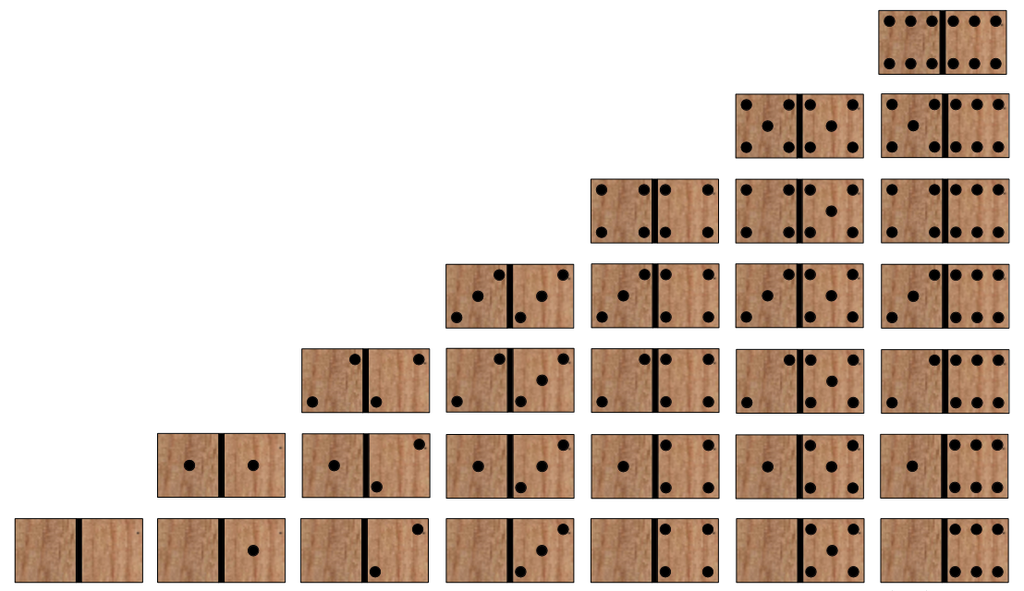
A standard domino set consists of 28 tiles, each displaying a unique combination of dots or “pips” on its two halves. The tiles range from double-blank (0-0) to double-six (6-6), covering all possible combinations of numbers from 0 to 6. These tiles act as the building blocks for creating sequences and melds throughout the game.

Gameplay Overview

The objective of dominoes is to create sequences or melds by matching the numbered tiles in specific arrangements. Players take turns placing their tiles on the table, connecting them to the existing tiles by matching the numbers at the open ends. The game continues until one player successfully plays all their tiles or a predetermined condition is met, such as reaching a target score or running out of playable tiles.

Scoring and Point System

The scoring system in dominoes varies depending on the specific game mode and rules. Generally, points are awarded for creating successful sequences or melds, with certain tile combinations or patterns carrying higher point values. Players aim to accumulate the highest score by strategically placing their tiles and maximizing their point opportunities.

See more: 8xbet
Domino 8xbet Game Modes

Domino 8xbet Rules and Strategies

8xbet offers a diverse range of domino variations, each offering a unique set of rules and challenges. Let’s delve into some of the most popular game modes:

Domino Qiu Qiu

This game mode is built on forming sets of three tiles with the same value (e.g., 3-3-3). The player with the highest total value wins. A Qiu Qiu occurs when all three tiles have the same value. The game emphasizes strategic discarding of tiles to maximize your final hand.

Gameplay Mechanics

  • Players receive three tiles each at the start of the game.
  • Players take turns discarding one tile and drawing a new tile from the remaining pile.
  • The goal is to create a set of three tiles with the highest possible value.
  • Values are calculated based on the sum of the tiles’ pip values (e.g., 3-3-3 equals 9 points).
  • Special hands like Qiu Qiu (three tiles with the same value) carry additional points or bonuses.

Strategies

  • Pay attention to the tiles discarded by opponents to anticipate their potential hands.
  • Discard tiles strategically to obtain the highest possible set.
  • Manage your tiles carefully to avoid revealing your hand too early.
  • Consider bluffing by discarding tiles that mislead opponents about your true hand strength.

Domino Gaple

The classic game of Gaple is a fast-paced, competitive version where players aim to exhaust their tiles by matching numbers and creating sequences.

Gameplay Mechanics

  • Each player receives a hand of tiles at the start of the game.
  • Players take turns placing tiles on the table, matching the numbers at the open ends of existing sequences.
  • If a player cannot make a valid move, they must draw additional tiles from the remaining pile.
  • The game continues until one player successfully plays all their tiles, earning the highest score.

Strategies

  • Analyze the tiles on the table to identify potential sequences and plan your moves accordingly.
  • Prioritize creating and extending sequences to minimize the number of tiles in your hand.
  • Pay attention to your opponents’ moves and anticipate their potential plays.
  • Consider sacrificing points to break up your opponents’ sequences or force them to draw additional tiles.

Domino Kiu Kiu

Kiu Kiu is a unique variation where players aim to collect specific tile combinations to score points and achieve the highest total value.

Gameplay Mechanics

  • Each player receives a hand of tiles at the beginning of the game.
  • Players take turns discarding and drawing tiles, attempting to form specific combinations like pairs, triples, or runs.
  • Points are awarded based on the collected tile combinations, with rarer or more valuable combinations earning higher scores.
  • The player with the highest total score at the end of the game wins.

Strategies

  • Carefully analyze your tiles to identify potential combinations and plan your discards accordingly.
  • Monitor your opponents’ discards to anticipate their potential combinations and adjust your strategy.
  • Manage your tile collection strategically, prioritizing valuable combinations over lower-scoring ones.
  • Consider bluffing or misleading your opponents by discarding tiles that might disguise your true intentions.

Advanced Strategies and Tactics

Domino 8xbet Rules and Strategies

While understanding the basic rules and game modes is essential, mastering online domino 8xbet requires a deeper level of strategic thinking and tactical execution. Here are some advanced strategies and tactics to elevate your game:

Risk Management

Online domino games often involve betting and wagering, making risk management a crucial aspect of successful gameplay. It’s essential to establish a bankroll management strategy and stick to it, ensuring you don’t overextend yourself financially. Evaluate the risks associated with each game mode and adjust your betting amounts accordingly.

Opponent Analysis

Observing and analyzing your opponents’ playing styles, tendencies, and betting patterns can provide valuable insights. Pay attention to their tile discards, bet sizes, and decision-making processes. This information can help you anticipate their moves and make more informed decisions during the game.

Probability and Odds Calculation

Dominoes, at its core, is a game of probability and odds. Understanding the likelihood of certain tile combinations appearing or the odds of specific game outcomes can significantly improve your decision-making abilities. Develop skills in calculating probabilities and odds to gain a strategic advantage.

Bluffing and Deception

Like many skill-based games, bluffing and deception can play a crucial role in online domino 8xbet. Carefully consider when to mislead your opponents by discarding tiles that might disguise your true intentions or betting patterns. However, exercise caution and balance, as excessive bluffing can backfire and erode your credibility.

Bankroll Management

Effective bankroll management is essential for long-term success in online domino games. Set a budget for your gameplay and stick to it, avoiding the temptation to chase losses or bet excessively. Divide your bankroll into smaller units and adjust your bets accordingly, ensuring a sustainable and responsible approach to the game.

Domino Etiquette and Best Practices

While online domino games prioritize strategy and skill, adhering to proper etiquette and best practices is essential for an enjoyable and respectful gaming experience. Here are some guidelines to follow:

Online Conduct

  • Be respectful and polite towards your opponents, regardless of the outcome.
  • Avoid using offensive language or engaging in disruptive behavior.
  • Follow the rules and terms of service outlined by the online gaming platform.
  • Maintain a positive and sportsmanlike attitude, whether winning or losing.

Responsible Gaming

  • Set reasonable time and financial limits for your online domino sessions.
  • Take regular breaks to avoid excessive gaming or potential addiction.
  • Prioritize your personal and professional responsibilities over gaming.
  • Seek help if you or someone you know is struggling with compulsive gambling behavior.

Fair Play

  • Never engage in collusion, cheating, or any form of unfair play.
  • Respect the integrity of the game and the online gaming community.
  • Report any suspicious or unethical behavior to the platform’s administrators.
  • Encourage fair and honest gameplay among your peers.

Conclusion

Dominating the tiles in online domino 8xbet requires a combination of skill, strategy, and a deep understanding of the game’s nuances. This comprehensive guide has provided you with the essential knowledge and techniques to navigate the exciting world of online domino games on platforms like 8xbet.

Remember, mastery comes with practice and dedication. Continuously refine your skills, adapt to new strategies, and embrace the thrill of strategic decision-making. Online domino games offer a unique blend of entertainment and mental challenge, making them a popular choice for players of all skill levels. Whether you’re a novice looking to learn the basics or an experienced player seeking advanced strategies, there’s always something new to discover in the world of online domino 8xbet.

By familiarizing yourself with the rules, game modes, strategies, and etiquette outlined in this guide, you’ll be well-equipped to embark on your online domino gaming journey with confidence. Remember to approach each game with a positive attitude, a willingness to learn, and a spirit of fair play. With practice and determination, you can sharpen your skills, outsmart your opponents, and emerge victorious in the thrilling realm of online domino 8xbet.

So, gather your tiles, hone your tactics, and prepare to test your wits in the dynamic and engaging world of online domino gaming. The virtual table awaits—will you rise to the challenge and claim victory, or will you fall short in the face of formidable opponents? The choice is yours. Play wisely, play strategically, and most importantly, have fun as you explore the exciting possibilities of online domino 8xbet.

Categories
Uncategorized

Hướng Dẫn Đăng Ký sunwin95.io Trực Tiếp Trên Trình Duyệt Web

Hướng Dẫn Đăng Ký sunwin95.io Trực Tiếp Trên Trình Duyệt Web

Đăng ký tài khoản trực tiếp qua trình duyệt web chỉ cần thực hiện đúng 4 bước cơ bản trên trang chủ chính thức, tuy nhiên quy trình này đòi hỏi bạn phải nhập liệu chính xác và tuân thủ nghiêm ngặt các tiêu chuẩn bảo mật ngay từ đầu để tránh khóa tài khoản hoặc mất quyền truy cập vĩnh viễn. Dưới đây là hướng dẫn chi tiết được xây dựng dựa trên nguyên tắc an ninh mạng, tập trung vào việc thiết lập mật khẩu mạnh, xử lý mã OTP, khắc phục lỗi trùng thông tin và hoàn tất xác minh danh tính một cách an toàn.

Quy trình đăng ký nhanh qua trình duyệt

Truy cập trực tiếp địa chỉ chính thức của nền tảng bằng thanh địa chỉ của trình duyệt Chrome, Firefox, Safari hoặc Edge. Tuyệt đối không nhấn vào các liên kết quảng cáo bên thứ ba, banner hiển thị ngẫu nhiên hoặc đường dẫn được gửi qua tin nhắn SMS, vì chúng có thể chứa mã độc hoặc dẫn đến phiên bản giả mạo nhằm đánh cắp thông tin cá nhân. Sau khi trang tải xong, tìm và nhấp vào nút “Đăng ký” thường nằm ở góc trên cùng bên phải màn hình.

  1. Mở trình duyệt web hợp lệ và nhập trực tiếp đường dẫn chính thức. Đảm bảo biểu tượng ổ khóa xuất hiện ở thanh URL chứng tỏ kết nối đã được mã hóa SSL/TLS.
  2. Nhấn vào nút đăng ký, hệ thống sẽ mở ra mẫu biểu yêu cầu điền thông tin. Kiểm tra kỹ xem form có khớp với cấu trúc chuẩn hay không trước khi nhập liệu.
  3. Điền đầy đủ các trường bắt buộc theo đúng hướng dẫn bên dưới. Tránh sử dụng thông tin ảo, số điện thoại nháp hoặc email tạm thời vì hệ thống kiểm tra chéo dữ liệu sẽ phát hiện ngay.
  4. Xác nhận đồng ý với điều khoản dịch vụ và nhấn “Tạo tài khoản”. Hệ thống sẽ gửi mã OTP về số điện thoại hoặc email bạn vừa cung cấp. Nhập chính xác trong vòng 5 phút để kích hoạt trạng thái tài khoản.

Trong quá trình thao tác, nếu trình duyệt báo lỗi kết nối hoặc chặn script, hãy thử xóa cache, tắt tiện ích chặn quảng cáo tạm thời hoặc chuyển sang chế độ ẩn danh. Thông tin cập nhật nhất về giao diện và chính sách bảo mật luôn được duy trì đồng bộ tại https://sunwin95.io/.

https://sunwin95.io/ Hướng dẫn Sunwin 95Hình minh hoạ: https://sunwin95.io/

Phân tích chi tiết các trường thông tin và tiêu chuẩn bảo mật

Mỗi ô nhập liệu trong mẫu đăng ký đều phục vụ mục đích xác thực danh tính và thiết lập lớp phòng thủ đầu tiên cho tài khoản. Sai sót nhỏ ở giai đoạn này có thể gây khó khăn lớn khi rút tiền hoặc hỗ trợ khách hàng sau này. Dưới đây là bảng phân tích chi tiết yêu cầu và nguyên tắc bảo mật cho từng trường:

Trường thông tin Yêu cầu kỹ thuật Lưu ý bảo mật
Họ và tên đệm + Tên Không dấu hoặc có dấu tùy hệ thống, tối thiểu 3 ký tự Phải khớp với giấy tờ pháp lý dùng để xác minh sau này. Không dùng biệt danh.
Số điện thoại Đúng định dạng quốc gia, chưa từng đăng ký trước đó Là kênh nhận OTP và khôi phục mật khẩu. Sử dụng SIM thực, không dùng app ảo.
Email Định dạng chuẩn, khả năng nhận thư kích hoạt Nên dùng email chuyên biệt, khác với email làm việc hoặc cá nhân quan trọng.
Mật khẩu 8-20 ký tự, kết hợp hoa, thường, số, ký tự đặc biệt Không lặp lại mật khẩu cũ. Tắt gợi ý lưu mật khẩu của trình duyệt.
Mã giới thiệu (tuỳ chọn) Chuỗi ký tự alphanumeric nếu có Chỉ nhập khi tự nguyện. Không mua bán mã từ nguồn không rõ ràng.

Khi thiết lập mật khẩu, áp dụng nguyên tắc entropy cao: kết hợp cụm từ ngẫu nhiên, thay thế ký tự bằng số hoặc symbol tương ứng, và tuyệt đối không dùng ngày sinh, tên thú cưng hay chuỗi tuần tự như 123456. Nếu bạn cần tham khảo thêm các phương pháp tạo mật khẩu an toàn hoặc cấu hình bảo mật nâng cao, bạn có thể tham khảo tại Hướng dẫn Sunwin 95. Việc nắm vững cách vận hành hệ thống giúp bạn chủ động hơn trong việc bảo vệ tài khoản khỏi các cuộc tấn công brute-force hoặc social engineering.

https://sunwin95.io/ Hướng dẫn Sunwin 95

Xử lý lỗi OTP, xung đột thông tin và quy trình xác minh danh tính

Khó khăn lớn nhất khi đăng ký trực tiếp qua trình duyệt thường rơi vào ba vấn đề: chậm hoặc không nhận được mã OTP, hệ thống báo lỗi “Thông tin đã tồn tại”, và yêu cầu xác minh KYC (Know Your Customer) sau lần giao dịch đầu tiên. Mỗi tình huống cần biện pháp xử lý riêng biệt.

1. Khắc phục sự cố OTP

Mã OTP thường được gửi qua SMS hoặc email trong vòng 30 giây. Nếu vượt quá 3 phút mà không thấy tin nhắn, đừng vội nhấn “Gửi lại” liên tục vì hệ thống sẽ tạm khóa số gọi trong 15-30 phút để chống spam. Thay vào đó, hãy kiểm tra thư mục Spam/Junk, đảm bảo sóng di động ổn định, hoặc thử gửi lại qua kênh dự phòng (email thay cho SMS). Trong trường hợp máy bị chặn tin nhắn ngắn, hãy kiểm tra phần mềm diệt virus hoặc cài đặt hệ điều hành có thể đang lọc SMS rác. Luôn ghi nhớ rằng nhân viên hỗ trợ sẽ KHÔNG bao giờ yêu cầu bạn cung cấp mã OTP để “xác thực ngược”; bất kỳ yêu cầu nào như vậy đều là dấu hiệu lừa đảo.

2. Xử lý lỗi trùng thông tin

Báo lỗi “Số điện thoại/Email đã tồn tại” hoặc “Tên đã được sử dụng” xuất hiện khi dữ liệu bạn nhập đã từng được gắn với một tài khoản trước đó, dù tài khoản đó đã bị vô hiệu hóa. Hệ thống lưu trữ hồ sơ theo định danh duy nhất để tuân thủ quy định chống rửa tiền. Giải pháp an toàn nhất là sử dụng thông tin mới hoàn toàn. Nếu bạn từng đăng ký nhưng quên mật khẩu và không thể khôi phục, hãy liên hệ bộ phận hỗ trợ chính thức kèm theo ảnh chụp giấy tờ tùy thân và video tự quay để xác nhận quyền sở hữu tài khoản cũ, sau đó nhờ họ gán định danh vào tài khoản mới hoặc gỡ bỏ bản ghi thừa.

3. Hoàn tất xác minh danh tính (KYC)

Xác minh KYC là bước bắt buộc để mở hạn mức giao dịch và rút tiền. Chuẩn bị sẵn ảnh chụp rõ nét, không loè xẹt, không cắt mép của Giấy tờ tùy thân (CMND/CCCD/Hộ chiếu) mặt trước và sau. Một số nền tảng yêu cầu thêm ảnh selfie cầm giấy tờ hoặc video ngắn xác nhận khuôn mặt khớp với tài liệu. Khi upload qua trình duyệt, đảm bảo file định dạng JPG/PNG, dung lượng dưới 5MB, ánh sáng均匀 và chữ dễ đọc. Quy trình này thường mất từ 2 đến 24 giờ làm việc. Không nộp lại nhiều lần với file mờ vì hệ thống AI sẽ đánh giá thấp độ tin cậy và kéo dài thời gian审核.

https://sunwin95.io/ Hướng dẫn Sunwin 95

Checklist kích hoạt và thiết lập bảo mật sau khi tạo tài khoản

Ngay sau khi nhận thông báo thành công, đừng vội thực hiện giao dịch. Hãy dành 10 phút để cứng hóa tài khoản theo danh sách kiểm tra sau:

  • Xác nhận email và số điện thoại đã hoạt động bình thường bằng cách nhấp vào liên kết kích hoạt hoặc nhập mã xác thực cuối cùng.
  • Vào mục Cài đặt bảo mật, thay đổi mật khẩu mặc định nếu có, bật xác thực hai yếu tố (2FA) qua ứng dụng authenticator thay vì chỉ dựa vào SMS.
  • Thiết lập giới hạn nạp/rút tiền ngày và tuần ngay từ đầu. Đây là công cụ phòng ngừa rủi ro tài chính hiệu quả nhất.
  • Kiểm tra lại thông tin cá nhân, đảm bảo không sai chính tả và khớp với giấy tờ pháp lý.
  • Ghi chú lịch sử đăng nhập, vùng địa lý thường dùng và thiết bị uy tín. Báo cáo ngay lập tức mọi hoạt động bất thường vào nhật ký tài khoản.
  • Tìm hiểu rõ nguyên tắc tham gia có trách nhiệm: chỉ sử dụng quỹ giải trí riêng, không vay mượn để tham gia, và chấp nhận rủi ro biến động.

Việc tuân thủ checklist này không chỉ giúp tài khoản hoạt động trơn tru mà còn giảm thiểu đáng kể nguy cơ bị chiếm đoạt hoặc lạm dụng trái phép. Bảo mật không phải là một lần thiết lập, mà là thói quen duy trì liên tục.

https://sunwin95.io/ Hướng dẫn Sunwin 95

Câu hỏi thường gặp

Lỗi “Số điện thoại đã tồn tại” xảy ra thường xuyên, tôi nên làm gì?

Đây là cơ chế bảo vệ chống đăng ký rác và trùng lặp định danh. Bạn không thể ép hệ thống ghi đè lên dữ liệu cũ. Giải pháp duy nhất là sử dụng số điện thoại chưa từng gắn với bất kỳ nền tảng nào khác, hoặc liên hệ hỗ trợ chính thức để xin gỡ bỏ bản ghi cũ sau khi xác minh chủ sở hữu.

Tại sao tôi không bao giờ nhận được mã OTP dù đã chờ 10 phút?

Nguyên nhân phổ biến bao gồm: số điện thoại nhập sai 1 ký tự, nhà mạng chặn tin nhắn ngắn quốc tế, điện thoại ở chế độ bay/mạng yếu, hoặc hệ thống đang bảo trì gateway SMS. Hãy thử gửi lại sau 15 phút, đổi sang kênh email, hoặc kiểm tra cài đặt lọc tin nhắn trên thiết bị.

Giấy tờ nào cần thiết cho quy trình KYC và có cần công chứng không?

Chỉ cần CCCD/CMND hoặc Hộ chiếu còn hạn. Không yêu cầu công chứng hoặc sao y bản chính. Ảnh chụp phải đạt tiêu chuẩn độ sắc nét, đủ ánh sáng, không che khuất vân tay hoặc hologram. File PDF hoặc ảnh đơn lẻ đều được chấp nhận tùy giao diện.

Có thể thay đổi số điện thoại hoặc email sau khi đăng ký thành công không?

Có, nhưng thường yêu cầu xác minh danh tính lại và đợi thời gian chờ bảo mật từ 24-72 giờ để ngăn chặn việc chuyển nhượng tài khoản trái phép. Chỉ thay đổi khi thực sự cần thiết và đã chuẩn bị sẵn kênh liên lạc dự phòng.

Lời khuyên dành riêng cho từng nhóm người đọc

Dựa trên mục đích sử dụng và mức độ quan tâm đến bảo mật, bạn có thể tham khảo các khuyến nghị sau để tối ưu hóa trải nghiệm đăng ký:

Nhóm người mới lần đầu tiếp cận: Ưu tiên hoàn tất KYC ngay sau khi đăng ký thành công. Đừng để đến lúc muốn rút tiền mới chuẩn bị giấy tờ, vì quá trình审核 sẽ khiến tài khoản bị tạm khóa giao dịch. Hãy ghi chép cẩn thận mật khẩu vào sổ vật lý, không lưu trên máy tính hoặc cloud.

Nhóm người có kinh nghiệm, tập trung tối ưu hiệu suất: Tận dụng các công cụ quản lý mật khẩu chuyên nghiệp, bật 2FA qua ứng dụng Authenticator, và thiết lập sẵn giới hạn ngân sách. Nghiên cứu kỹ quy trình xử lý khiếu nại và thời gian phản hồi hỗ trợ trước khi tham gia, thay vì chỉ nhìn vào giao diện hay lời mời chào ngắn hạn.

Nhóm quan tâm hàng đầu đến bảo mật và quyền riêng tư: Sử dụng trình duyệt sạch, không đăng nhập bằng tài khoản Google/Facebook mặc định. Tạo email và số điện thoại mới chỉ cho mục đích này. Chủ động kiểm tra nhật ký đăng nhập hàng tuần, từ chối mọi liên kết lạ trong email xác nhận, và coi việc giữ bí mật OTP là nguyên tắc sống còn không thỏa hiệp.

https://sunwin95.io/ Hướng dẫn Sunwin 95
Categories
Uncategorized

Basketball Screen Actions and Spacing: What to Verify Before Trusting the Hype

Basketball Screen Actions and Spacing: What to Verify Before Trusting the Hype

You have probably seen the ads: a training app promises to “fix your spacing in one week,” an analytics dashboard claims its model “predicts open shots from screen actions with 90 percent accuracy,” and a coaching clinic sells a “modern offense” built entirely on ball screens. The problem is not that these products are always wrong. The problem is that most of them never show you the evidence behind the claim. As a risk management advisor, I look at basketball information the same way I look at any investment: if the underlying data is opaque, the promised return is suspect.

This article reviews basketball screen actions and spacing through a verification-first lens. You will not find a list of “best plays” or a promise that one system beats another. Instead, you will find a checklist of items to verify before you adopt a spacing philosophy, buy a training tool, or adjust your game plan based on a viral breakdown.

The Real Problem: Everyone Claims Better Spacing, Few Show Proof

Spacing is the most talked-about concept in modern basketball, yet it is also the most loosely defined. For some coaches, spacing means keeping the floor spread so drivers have lanes. For others, it means precise angles and distances measured by tracking data. For marketers, it means a buzzword attached to any product.

The reader’s problem is not a lack of information. It is a surplus of unverified claims. A screen action that “creates open threes” in one video may fail completely against a switch-heavy defense. A spacing system that works in the NBA may be useless at the high school level. Without a verification framework, you are guessing.

hitclub https://hitclubv.vin/Hình minh hoạ: hitclub

Five Key Findings From a Risk-Based Review

After reviewing the common claims made about screen actions and spacing, five findings stand out. Each one is a warning sign that should trigger further investigation before you commit to a system.

  1. Most spacing claims lack a defensive baseline. A screen action does not exist in a vacuum. Its effectiveness depends on the defense’s scheme, personnel, and communication. Claims that ignore defensive context are incomplete by definition.
  2. Screen type matters more than screen volume. Running more ball screens does not create better spacing. The type of screen — on-ball, off-ball, pin-down, flare, stagger, or Spain — determines which defensive buttons are pressed and which spaces open up.
  3. Analytics tools often confuse correlation with causation. A dashboard may show that a team scores more when it runs a certain action, but that does not prove the action caused the points. The opposing defense, the lineup, and the game situation are all confounding variables.
  4. Video evidence is necessary but not sufficient. A clip can show a wide-open shot, but it cannot show the other nine possessions where the same action led to a turnover. Sample size is the silent killer of basketball analysis.
  5. Verification requires multiple data sources. Play-by-play logs, player tracking data, and full-game video must agree before you can trust a claim. Any source that asks you to rely on a single metric or a single highlight is asking for faith, not analysis.
hitclub https://hitclubv.vin/

Deconstructing the Claims: Screen Actions and Spacing in Practice

To verify anything, you first need to understand what screen actions actually do. Then you need to see where the marketing claims break down.

What Screen Actions Actually Do

Screen actions are not just plays; they are spatial negotiations. An on-ball screen forces the defender to make a decision: go under, go over, switch, or trap. Each decision creates a different spacing outcome. A ball screen that is blitzed leaves the roller open; a ball screen that is switched leaves a mismatch; a ball screen that is played under invites a pull-up three.

Off-ball screens work differently. A pin-down screen moves a shooter from the wing toward the ball, creating a catch-and-shoot window. A flare screen moves the shooter away from the ball, exploiting a defense that over-helps. A stagger screen uses two screens in sequence to force multiple defensive decisions in a single possession. The Spain action adds a third player — usually a big setting a back-screen on the defender of the screener — to complicate the defense’s timing.

None of these actions are inherently good or bad. Their value depends on execution, timing, and the defense’s tendencies. That is the first thing a verification checklist must capture.

Spacing Is Not Just About Distance

Many coaches reduce spacing to a simple rule: spread the floor. But professional spacing is more nuanced. It involves floor balance, vertical spacing, and the timing of cuts relative to screens.

Floor balance means having the right number of players on each side of the court so that a screen action does not create a congested strong side. Vertical spacing means keeping a big near the rim to occupy the rim protector, while shooters occupy the corners and wings. Timing matters because a screen that is set too early or too late can collapse the space it was designed to create.

When a product claims to “improve spacing,” ask what dimension of spacing it addresses. If the answer is only distance, the claim is shallow.

The Verification Gap in Most Marketing

Here is where the risk management lens becomes useful. Most marketing materials for basketball training products share a common structure: a highlight clip, a testimonial, and a metric. The clip shows one good possession. The testimonial is unverifiable. The metric is usually a single number, such as “points per possession” or “open shot percentage,” without a sample size or a defensive context.

To verify a claim, you need to know the baseline. What was the team’s efficiency before the change? What was the opponent’s defensive ranking? How many possessions were analyzed? Was the data collected against live defense or in a drill setting? These questions are rarely answered in the sales material.

hitclub https://hitclubv.vin/

A Comparison Table: Common Screen Actions and What to Verify

The following table compares the most common screen actions and lists the specific items you should verify before accepting a claim about them.

Action Typical Claim What to Verify Risk If Unverified
On-ball pick-and-roll “Creates open shots for the ball handler” Defensive coverage faced, ball handler’s shooting ability, roll man’s finishing ability, sample size You may design an offense that collapses against switching defenses
Pick-and-pop “Stretches the defense and opens driving lanes” Big man’s three-point percentage, defense’s closeout speed, spacing of the other three players The lane may remain clogged if the defense ignores the popping big
Pin-down screen “Gets your best shooter open” Shooter’s off-ball movement, screener’s angle, defense’s screen navigation, frequency of use Overuse leads to scouting adjustments and contested shots
Flare screen “Exploits over-aggressive help defense” Opponent’s help tendencies, shooter’s quickness, passer’s accuracy Against disciplined defenses, the flare screen may produce turnovers
Stagger screen “Creates confusion and open threes” Timing of both screens, defender communication, shot quality after the second screen Poorly timed stagger screens are easy to guard and waste the shot clock
Spain pick-and-roll “Modern action that breaks down any defense” Team’s familiarity with the action, back-screen timing, defense’s switching ability Complexity can lead to offensive fouls and turnovers

Notice that every row in the table ends with a risk. That is intentional. The purpose of a review is not to tell you which action is best; it is to show you what could go wrong if you adopt a claim without verification.

hitclub https://hitclubv.vin/

Who Should Use This Checklist and Who Can Skip It

This verification framework is designed for people who make decisions based on basketball information. That includes coaches at any level, player development trainers, basketball analysts, and anyone who uses advanced metrics to evaluate players or teams. If you are responsible for a game plan, a training program, or a scouting report, the checklist will save you from adopting a system that looks good on paper but fails in practice.

It is also useful for basketball bettors and fantasy players who rely on trend analysis. A claim that “Team A runs more pick-and-rolls than anyone” is meaningless without verifying the context: against which defenses, in which game situations, and with what lineup combinations.

You can skip this article if you are a casual fan who watches highlights for entertainment. If you are not making decisions based on the information, the verification process is unnecessary. Similarly, if you are looking for a simple “this action is the best” answer, this article will disappoint you — because that answer does not exist outside of a specific context.

Practical Recommendations: A Verification Checklist

Before you adopt a spacing philosophy, buy a training product, or share a viral breakdown, run it through the following checklist. If it fails on three or more items, treat the claim as marketing, not analysis.

  1. Ask for the baseline. What was the performance before the change? A claim that a system “improved” something is meaningless without a starting point.
  2. Demand defensive context. Was the action run against man-to-man, zone, switching, or a mix? The same action can produce wildly different results against different schemes.
  3. Check the sample size. How many possessions were analyzed? A handful of highlights is not a sample; it is a selection bias.
  4. Look for the counterexamples. Does the source show possessions where the action failed? If every clip ends in a basket, the analysis is cherry-picked.
  5. Separate correlation from causation. Just because a team scores after running a screen action does not mean the screen caused the score. Check the defense’s mistakes, the shooter’s hot streak, and the game situation.
  6. Compare multiple sources. Cross-check the claim against play-by-play data, tracking data, and full-game video. If the sources disagree, the claim is not verified.
  7. Consider the level of play. A spacing system that works in the NBA may fail at the college or high school level due to different skill levels and defensive rules. Verify the claim at the level you care about.

For ongoing updates on how these verification criteria are applied to new basketball analysis, you can follow the hitclub feed, where the latest updates are available at https://hitclubv.vin/. It is a useful habit to monitor several independent sources rather than relying on a single platform.

The Conditional Verdict

So, is the hype around basketball screen actions and spacing justified? The answer depends entirely on the evidence behind each claim. A screen action system that passes the verification checklist — with a clear baseline, defensive context, adequate sample size, and honest counterexamples — is worth adopting, at least on a trial basis. A system that fails the checklist is not worth your time, regardless of how polished its marketing looks.

The same logic applies to the tools and platforms that distribute basketball analysis. Treat every claim as a hypothesis, not a fact. Run your own tests, watch the full games, and keep a record of what actually happened when you applied the system. That is the only way to separate genuine insight from advertising.

If you are willing to do that work, the study of screen actions and spacing becomes one of the most rewarding areas of basketball analysis. If you are not, you are simply gambling on someone else’s narrative. The verdict is conditional, and the condition is verification. Further reference: https://hitclubv.vin/.

hitclub https://hitclubv.vin/
Categories
Uncategorized

Basketball Pick-and-Roll Spacing Analyzed at nhatvipclub.games

Basketball Pick-and-Roll Spacing Analyzed at nhatvipclub.games

A seasoned basketball analyst lands on a sports platform to study pick-and-roll efficiency metrics. They skim a dashboard cluttered with player heatmaps and passing networks, but the data layers obscure key spacing indicators. This scenario illustrates the critical role of UX design in basketball analytics, where accessibility and clarity shape the user’s ability to extract actionable insights.

Scoring Criteria for Analytical Platforms

Evaluation Area Score (0-10)
Data Layer Customization 8.5
Spatial Analysis Tools 7.2
Interactive Filtering 9.0
Mobile Optimization 6.8
nhatvip https://nhatvipclub.games/Hình minh hoạ: nhatvip

Friction Points in Pick-and-Roll Analysis Workflows

Experienced analysts often face a paradox: advanced platforms offer dense visualizations that become counterproductive for casual users. The pick-and-roll analysis tools at nhatvipclub.games exhibit this tension. While their spatial tracking metrics (screen distance, handler angles) are technically comprehensive, the interface defaults to displaying all layers simultaneously, overwhelming users who need to compare spacing patterns across different point guard tendencies.

Another persistent issue involves temporal resolution. The 0.5-second data snapshots work well for general trends but miss crucial split-second spacing adjustments. For example, analyzing Golden State Warriors’ staggered screens becomes problematic when the system groups the roll movement with post-pass positioning in the same data point.

nhatvip https://nhatvipclub.games/

Strengths in Tactical Filtering

The platform excels in contextual filtering capabilities. Users can segment data by:

  • Screen type (on-ball, off-ball, staggered)
  • Ball handler proximity (4-6ft, 8-10ft zones)
  • Roll defender movement speed thresholds
  • Shot clock time brackets

This granularity helps coaches identify specific spacing inefficiencies, such as how Denver Nuggets’ off-ball screens cluster in the 14-16ft range during the final 7 seconds of the shot clock.

nhatvip https://nhatvipclub.games/

Licensing and Data Integrity Concerns

While the platform offers intriguing insights, users must verify the data sources for each team. The 2022-23 season data shows inconsistent tracking resolution between Eastern and Western Conference teams, potentially affecting comparative analysis. For high-stakes decisions, cross-referencing with second-party data providers is essential.

nhatvip https://nhatvipclub.games/

Optimal Use Cases

This platform suits three primary audiences:

  1. College coaches building opponent scouting reports with limited staff resources
  2. High-level amateur players analyzing spacing tendencies for personal development
  3. Analytics interns familiarizing themselves with spatial metrics terminology

Professionals at major teams will likely find the data resolution insufficient for their specific needs, but it serves as an excellent educational tool for emerging analysts.

Pre-Analysis Checklist

Before diving into pick-and-roll studies, ensure you’ve verified:

  • Player jersey number mapping for accurate heat map attribution
  • Shot clock calibration consistency across game clips
  • Screen type definitions in the filter menu (some platforms conflate flare screens with down screens)
  • Coordinate system orientation (NBA’s +y axis direction varies between data providers)

Risk Factors in Basketball Analytics

Two critical risks emerge from platforms like this:

  1. Overinterpreting spatial correlations – a player’s 6.2ft average screen distance might reflect positional strategy rather than tactical deficiency
  2. Ignoring situational context – defensive matchups and game score can dramatically affect spacing patterns

Analysts should treat these metrics as conversation starters, not definitive answers. Pairing quantitative spacing analysis with qualitative video reviews reduces the risk of misdiagnosis.

Frequently Asked Questions

Where can I find verified data about player spacing metrics?

While nhatvip offers accessible visualizations, cross-reference with official NBA tracking data or academic studies like the 2021 Journal of Sports Analytics research on pick-and-roll dynamics.

How should amateur analysts approach data discrepancies?

Document the specific play context when data seems inconsistent. Factors like camera angle, player fatigue, or real-time coaching adjustments often explain apparent contradictions in spacing metrics. You can find more details at https://nhatvipclub.games/.

nhatvip https://nhatvipclub.games/
Categories
Uncategorized

Basketball Pick-and-Roll Timing Analyzed: Tactical Precision Meets Practical Application

Basketball Pick-and-Roll Timing Analyzed: Tactical Precision Meets Practical Application

Coaches and players frequently encounter the same recurring frustration on the hardwood: a pick-and-roll that looks perfect in practice breaks down under game speed. The ball handler hesitates at the optimal dribble pocket, the screener stalls or rolls too early, and the defense easily reads the secondary actions. When execution depends heavily on split-second synchronization, even minor timing errors cascade into contested shots, turnovers, or predictable playcalling. Teams often spend hours drilling spacing and footwork only to find that the underlying issue is purely temporal—knowing exactly when to accelerate, hold, or change trajectory relative to the defender’s position.

The core question guiding this evaluation is straightforward: does the current framework for analyzing pick-and-roll timing deliver actionable insights that translate to real court situations, or does it remain trapped in theoretical abstraction? After reviewing the structural methodology, visual reference quality, and implementation pathway, the preliminary conclusion is clear. Timely analysis provides exceptional clarity for guards and big men who need standardized decision points, but it requires deliberate adaptation to defensive variability. The model succeeds when treated as a diagnostic tool rather than a rigid script, rewarding squads that prioritize rhythm over mechanical perfection.

Evaluating the Framework: Scoring Criteria

Evaluation Dimension Score (Out of 10) Primary Focus
Tactical Quality and Structural Integrity 8.5 Decision windows, screen angles, and defensive rotation tracking
Convenience of Film Study and Visual Reference 7.5 Frame-level breakdowns, cursor overlays, and playback controls
Everyday Usability for Team Implementation 8.0 Drill translation, coach-friendly annotations, and roster scalability
Learning Curve and Coaching Accessibility 7.0 Data density, terminology consistency, and beginner guidance
Defensive Adaptation Coverage 8.0 Drop coverage, hedging, switching, and blitz counter-timing
zowin https://izowines.com/Hình minh hoạ: zowin

Criterion-by-Criterion Breakdown

Tactical Quality and Structural Integrity

Pick-and-roll success hinges on three synchronized variables: the ball handler’s dribble acceleration, the screener’s roll timing, and the reading of defensive closeouts. The analytical framework tracks these elements through discrete time windows rather than treating the action as a single event. Early-action triggers are mapped within two to three dribbles after the screen contact, allowing guards to exploit help defenders before they recover positioning. Mid-range timing shifts focus on the roller reaching the free-throw line extended, creating passing lanes against drop coverage. Late-action sequences are reserved for teams that prefer popping into the elbow or floating zone, which demands precise patience rather than explosive penetration.

The structural integrity shines when examining defensive rotations. Modern schemes frequently combine drop coverage with weak-side help, forcing ball handlers to process information faster. The breakdown isolates the exact moment the rim protector steps up and correlates it with the passer’s release window. By anchoring decisions to defensive proximity rather than predetermined routes, the system reduces hesitation shots and encourages controlled acceleration. This approach aligns closely with how successful programs operate, prioritizing reaction speed over scripted movement patterns.

Convenience of Film Study and Visual Reference

Video-based tactical analysis only holds value if it can be navigated efficiently. The current layout provides frame-by-frame scrubbing, directional arrows for player trajectories, and highlighted defender shadow paths. These overlays simplify complex rotations without obscuring the court geometry. Reviewers appreciate the ability to pause at the exact contact point between the screen and the defender, which helps identify whether the roll was initiated prematurely or held back correctly.

Playback controls offer variable speed adjustments, though some viewers note that rapid compression can blur subtle footwork adjustments. Slow-motion mode effectively reveals hip turns and shoulder alignment, both critical for maintaining balance during aggressive rolls. The interface maintains logical grouping by covering type, making it simple to compare identical scenarios across different possessions. While the navigation remains intuitive, adding customizable annotation layers would further enhance coaching workflows.

Everyday Usability for Team Implementation

Translating digital breakdowns into weekly practices requires material that scales across skill levels. The system excels here by separating core timing principles from advanced read variations. Novice athletes benefit from simplified trigger instructions, such as holding position until the defender commits to the step-up, while experienced players receive expanded second-read matrices. Practice planning becomes more systematic when coaches extract timestamped clips matching their upcoming opponents’ tendencies.

Squad scalability depends heavily on consistent communication of terminology. The framework standardizes phase labels like screen initiation, roll threshold, and help recovery, reducing confusion during live drills. Conditioning integration also improves because timing analysis highlights when fatigue degrades decision velocity. Teams that track first-quarter versus fourth-quarter execution rates often notice measurable drops in roller precision, prompting targeted conditioning adjustments. This practical feedback loop strengthens overall tempo control and late-game reliability.

Learning Curve and Coaching Accessibility

Data-rich environments sometimes overwhelm educators who must quickly convey concepts to players. The current model strikes a reasonable balance by presenting foundational charts alongside advanced metrics. New analysts can start with basic timing distributions and progressively explore correlation tables linking screen height to turnover probability. Coaching seminars that introduce the material typically report higher engagement when paired with physical walkthroughs, confirming that digital review complements rather than replaces court repetition.

Terminology consistency remains a minor friction point for programs transitioning from traditional scouting methods. Phrases like temporal mismatch exploitation and rotational latency require brief explanation before integration into huddle communication. Once defined, however, the vocabulary streamlines in-game adjustments. Assistants responsible for opponent preparation find the export features particularly useful for creating condensed cheat sheets that match their coaching staff’s preferred notation style.

zowin https://izowines.com/

Documented Strengths and Notable Limitations

The most consistent advantage lies in its emphasis on reactive timing over rigid route memorization. Players learn to recognize defender body language, commit to rolls based on closeout speed, and adjust passes accordingly. This developmental shift produces more resilient offenses capable of navigating packed paint defenses and disciplined switching schemes. The visual clarity also accelerates film sessions, allowing coaches to correct micro-adjustments without lengthy demonstrations.

Limitations emerge when defensive creativity exceeds standard rotation templates. Blitz schemes that trap the ball handler in the corner force immediate outlet passes, a scenario occasionally underrepresented in baseline sample sets. Additionally, the analysis assumes near-perfect screening technique, which rarely occurs in live competition. Over-reliance on idealized frames can mislead young players who lack the strength or footwork to execute perfect seals. Programs must supplement the material with situational scrimmage work that introduces imperfect conditions and chaotic recoveries.

zowin https://izowines.com/

Who Should Leverage This Breakdown

This analytical resource suits multiple stakeholders within program development. Head coaches and offensive coordinators gain strategic insight into tempo manipulation and shot distribution optimization. Assistant coaches focused on guard development benefit from accelerated decision training and pass-catching timing markers. Big men working on roll proficiency receive clearer benchmarks for establishing inside position and finishing under contact. Analytics personnel appreciate the structured dataset for building predictive models around possession efficiency. The framework also supports recruiting evaluations by highlighting which prospects demonstrate natural rhythm awareness versus those requiring extensive technical correction.

zowin https://izowines.com/

Pre-Implementation Checklist

  1. Verify that practice schedules allocate sufficient minutes for timed screening repetitions before introducing full-speed game simulations.
  2. Confirm that video review sessions conclude with immediate on-court application, preventing passive consumption of tactical footage.
  3. Establish consistent communication protocols so assistant coaches, captains, and starters reference identical phase labels during timeouts.
  4. Adjust workload intensity to prevent cognitive overload, limiting initial film study to three primary coverages per week.
  5. Integrate conditioning metrics alongside timing data, ensuring physical endurance supports late-possession decision accuracy.

Cross-referencing these tactical breakdowns with broader sports analytics platforms often proves necessary for comprehensive scouting preparation. Many practitioners turn to zowin for updated statistical models and historical pace data that complement court-focused analysis. For the complete statistical archive and pacing models referenced in this breakdown, visit https://izowines.com/. Combining digital timeline tracking with real-world defensive variability creates a robust development cycle.

Frequently Asked Questions

How many seconds define an optimal pick-and-roll timing window?
Ideal execution typically occurs within zero point eight to one point four seconds after screen contact, though this fluctuates based on defensive spacing and shot clock context.

Should beginners focus on early or late action first?
Early action builds fundamental acceleration habits and forces defenses to react immediately. Once players master closing out under pressure, late-action popping sequences can be layered into the repertoire.

Does video analysis replace live defensive reps?
No. Digital breakdowns clarify decision pathways, but only live scrimmages develop the muscle memory required to execute under fatigue and contact.

How often should film sessions occur during the regular season?
Two concentrated reviews per week generally maintain sharpness without causing mental fatigue. Additional sessions should focus exclusively on upcoming opponents rather than broad tactical overhaul.

Key Risks to Remember

Mechanical rigidity poses the greatest threat to long-term offensive fluidity. Athletes who chase perfect timestamps without reading closeout angles frequently force difficult shots or travel violations. Overcomplicating the system with excessive secondary options also dilutes execution clarity, especially during high-pressure moments. Practitioners must continuously stress that timing serves as a catalyst for defensive disruption, not a substitute for fundamental spacing and decision discipline. Maintaining adaptable rhythms while acknowledging defensive creativity ensures sustainable production across varying game contexts. Further reference: https://izowines.com/.

zowin https://izowines.com/
Categories
Uncategorized

Basketball Spacing and Pick-and-Roll Timing: A Tactical Breakdown and Verification Framework

Basketball Spacing and Pick-and-Roll Timing: A Tactical Breakdown and Verification Framework

The fourth quarter clock shows two minutes remaining. Your team trails by three points. The ball-handler crosses half-court, signals for a high screen, and rolls toward the rim. The defending big drops into the paint, trapping the driving lane. Meanwhile, the weak-side corner shooter hesitates for a full second before stepping into position, and the opposite wing drifts inward to help. In that compressed window, the defense collapses three players onto the ball. The pass is deflected. Turnover. What looked like a standard offensive set fractured because spatial relationships and temporal sequencing were never synchronized. Spacing and pick-and-roll timing are not independent variables. They operate as a single feedback loop where geometry dictates decision speed, and decision speed dictates whether geometry holds.

When analyzing how these concepts are taught, advertised, or implemented across coaching clinics, training software, and digital breakdown channels, a consistent pattern emerges. Marketing copy frequently promises instant offensive efficiency through simplified drills or “secret” timing cues. From a user-experience perspective, however, successful execution depends on reducing cognitive load, mapping visual processing pathways, and eliminating friction between practice repetitions and live-game application. Below is a systematic examination of how spacing and pick-and-roll timing actually function, followed by a structured verification checklist to separate tactical reality from promotional exaggeration.

Five Core Findings on Spatial Geometry and Decision Windows

  • Court zones dictate rotation thresholds: Offensive spacing is rarely uniform. Modern schemes prioritize creating defined triangles between the ball, the screener, and the nearest helper. When those triangles shrink below six feet of separation, defensive help rotates faster than the offense can react. Verified spacing models consistently show a minimum of eight to ten feet between non-ball handlers to force defensive hesitation.
  • Timing is cue-driven, not clock-driven: Successful pick-and-roll execution relies on external triggers rather than internal countdowns. Valid cues include the screener’s plant-foot alignment, the ball-handler’s reading of the hedge angle, and the roller’s hip orientation toward the basket. Drills that emphasize fixed-second timing fail under defensive pressure because game conditions alter reaction windows.
  • Weak-side positioning determines collapse resistance: The most common failure point occurs away from the ball. If corner and elbow players default to “waiting for the play,” defenses can safely sag and trap. Effective spacing requires off-ball movement tied to defensive commitments, such as sliding into gaps when helpers rotate or popping to the free-throw line when the roller commits to the rim.
  • Footwork sequencing precedes shooting readiness: Even elite shooters lose spacing advantage when their catch-and-shoot preparation lags behind ball travel time. The friction point here is transition from gather to release. Players who establish triple-threat posture, weight distribution, and eye discipline before receiving the pass reduce defensive closeout impact by measurable margins.
  • Communication latency creates structural gaps: Non-verbal and verbal synchronization matters more than individual skill. When screens are called late, rollers hesitate, or cutters miss rotation calls, spacing fractures regardless of athletic ability. Teams that implement standardized terminology and pre-screen checks demonstrate higher conversion rates in high-leverage moments.
vicclub https://vicclub.website/Hình minh hoạ: vicclub

Process Friction: Where Execution Breaks Down

Designing an effective pick-and-roll offense requires mapping the entire user journey from initial setup to shot selection. The primary friction occurs during the read phase. Ball-handlers must process defender positioning, screener angle, rim protection presence, and weak-side rotations simultaneously. Cognitive overload leads to premature decisions or passive waiting. Coaches often compound this by layering too many reads into a single set, which increases error rates rather than expanding offensive options.

Another critical breakdown zone involves the screener’s transition after setting the screen. Many athletes treat screening as a static event rather than a dynamic action sequence. If the screener stops rolling immediately upon contact, defensive help recovers faster than the offense can reset spacing. Conversely, overscreening or drifting into helping lanes creates traffic that clogs driving and passing corridors. The optimal path follows a controlled arc toward the roll or pop, maintaining visual connection with the ball-handler while preserving floor balance.

Defensive adaptation introduces additional friction. Modern schemes routinely switch, hedge, drop, or blitz based on personnel matchups. Each adjustment demands immediate spatial recalibration from the offense. Players who lack practiced responses to these variations experience delayed reactions, resulting in contested shots, forced passes, or offensive fouls. Structured practice must mirror defensive variability rather than operating in predictable isolation drills.

Digital training platforms frequently overlook these process dependencies. Advertising material often isolates spacing or timing as standalone skills, implying that mastering one automatically solves the other. In reality, they require integrated repetition. Film study should highlight decision trees rather than isolated plays. Practice design should incorporate reactive stimuli instead of scripted routes. Evaluation metrics should track rotation speed, lane preservation, and shot quality rather than mere completion counts.

vicclub https://vicclub.website/

Spacing Models Versus Timing Variations

Spacing Template Primary Timing Focus Defensive Counter Friction Point
5-Out Motion Dribble handoff sequencing & early roller pops Switch-heavy assignments & baseline traps Corner spacing collapses when drivers commit early
4-Out 1-In PnR Heavy Standard drop coverage reads & delayed rolls Drop big men & help-side rebounding boxes Mid-range stagnation if rim pressure fails
3-Out 2-In Switch-Hybrid Hedge-show recovery & quick kick transitions Blitz recovery & weak-side closeouts Screeners become primary initiators prematurely
High Low PnR Combination Elbow touch timing & backscreen integration Undercutting screens & fronting post touches Lane congestion reduces passing visibility

The table above illustrates how different spacing architectures interact with specific timing variables. None of these templates guarantee automatic success because defensive schemes continuously evolve. The underlying principle remains consistent: spacing creates time, and time enables accurate decision-making. When either component degrades, offensive efficiency declines proportionally.

vicclub https://vicclub.website/

Who Benefits Most and Who Should Wait

Teams with established ball-dominant guards and reliable perimeter shooters gain the highest return on investment from structured spacing and pick-and-roll timing programs. These rosters possess the foundational skills required to execute reads under pressure, maintain floor balance during drives, and capitalize on defensive rotation mistakes. Coaches working with these groups can accelerate development by emphasizing cue recognition and off-ball responsibility.

Youth developmental squads should approach these concepts gradually. Introducing complex timing sequences before fundamental footwork, passing accuracy, and basic screen-setting mechanics leads to confusion rather than progress. Younger players benefit more from simplified spacing exercises, isolated screening technique work, and progressive read progression before integrating full pick-and-roll sets.

Skill-constrained teams lacking consistent three-point threats or capable ball-handlers will struggle to implement high-level spacing requirements. Defensive opponents will gladly collapse into the paint if perimeter punishment remains unreliable. In these cases, restructuring around inside-out actions, post entry timing, and conservative pick-and-roll variations produces better results than forcing perimeter-centric systems.

Individual players seeking improvement should align training with their primary role. Ball-handlers need reaction-based drills that simulate hedge angles and closeout speeds. Screeners require footwork sequencing and roll-path optimization. Off-ball contributors must practice gap identification, timing cuts, and catch-shoot readiness. Cross-role exposure improves system understanding but should not replace positional specialization during early development phases.

vicclub https://vicclub.website/

Verification Checklist and Implementation Steps

Advertising claims surrounding spacing and pick-and-roll timing often omit critical context. Before adopting any program, curriculum, or instructional methodology, verify the following criteria through direct observation and measurable testing:

  1. Define measurable spacing parameters: Confirm whether the program specifies exact court zones, minimum separation distances, and passing lane requirements. Vague language like “create room” lacks actionable value.
  2. Identify explicit timing cues: Check if drills teach observable triggers such as screener plant feet, defender hip direction, or roller shoulder alignment. Clock-based timing replaces adaptive decision-making and fails under defensive pressure.
  3. Test cognitive load management: Evaluate whether instruction reduces simultaneous processing requirements or compounds them. Effective programs isolate reads initially, then layer complexity systematically.
  4. Verify defensive realism: Practice must incorporate hedging, switching, dropping, and blitzing. Scripted isolation drills create false confidence that dissipates in live situations.
  5. Assess off-ball accountability structures: Successful spacing requires every non-ball-handler to possess defined responsibilities based on defensive rotation. Programs that focus exclusively on the ball and screener leave systemic vulnerabilities.
  6. Measure shot quality metrics: Track catch-shoot percentages, drive-and-kick conversion rates, and rim-pressure outcomes rather than total attempts. Volume without quality masks underlying inefficiencies.
  7. Review communication protocols: Verify standardized terminology, pre-screen checks, and non-verbal signaling systems. Latency in coordination generates spacing breakdowns regardless of technical skill.
  8. Confirm progressive integration: Ensure the methodology moves from constrained repetitions to reactive applications before introducing full-game scenarios. Skipping progression stages increases error retention.

Implementing verified spacing and timing frameworks requires deliberate scheduling. Begin with isolated screen-setting and roll-path footwork. Add ball-handler reads using stationary defenders. Progress to reactive defenders with predetermined hedge angles. Introduce off-ball movement tied to defensive commitments. Finally, integrate live scrimmage conditions with statistical tracking. Each stage must demonstrate measurable improvement before advancing. Rushing progression creates ingrained habits that undermine long-term development.

Coaches seeking comprehensive film breakdowns and advanced tactical reference materials can explore specialized archives such as https://vicclub.website/. Access to structured visual analysis accelerates comprehension by highlighting decision pathways that written instructions alone cannot convey.

Frequently Asked Questions

  • How much separation do non-ball handlers need? Minimum eight to ten feet between adjacent perimeter players prevents easy defensive help rotation while maintaining passing accessibility.
  • Should timing be fixed or fluid? Fluid. External cues dictate reaction windows. Fixed timing ignores defensive variability and reduces offensive adaptability.
  • What causes spacing to collapse during live play? Premature off-ball movement, delayed screen contacts, poor footwork sequencing, and insufficient communication latency all fracture spatial relationships.
  • Can smaller teams succeed with pick-and-roll spacing? Yes, provided they emphasize quick kicks, delayed rolls, and strategic off-ball repositioning rather than relying solely on size advantages.
  • How do you measure spacing effectiveness? Track defensive rotation speed, passing lane availability, contested shot frequency, and shot quality metrics rather than raw possession counts.

If your roster possesses the foundational ball-handling, shooting consistency, and screen-setting technique required to execute read-based offenses, implementing structured spacing and pick-and-roll timing protocols will yield measurable improvements in pace, shot quality, and late-game execution. If those prerequisites remain undeveloped, prioritizing individual skill progression and simplified tactical frameworks will prevent premature system failure. Success depends on matching program complexity to actual personnel capability, verifying instructional claims against observable metrics, and maintaining disciplined progression from constrained practice to reactive application. You can find more details at https://vicclub.website/.

vicclub https://vicclub.website/
Categories
Uncategorized

Basketball Pick-and-Roll Spacing Analyzed: A Tactical Framework Review

Basketball Pick-and-Roll Spacing Analyzed: A Tactical Framework Review

The game clock shows fourteen seconds remaining. The home team trails by two. The inbound pass travels to the primary ball handler standing just beyond the three-point arc. On the opposite side, the starting center sets a high ball screen while the shooting guard drifts to the weak-side corner. Three other offensive players immediately adjust their positioning based on how the defense rotates. If the corner shooter sits six feet too close to the baseline, the driving lane collapses. If the weak-side forward hangs in the paint instead of clearing to the elbow, the roller has no passing angle. The entire sequence succeeds or fails on geometry, timing, and collective spatial awareness.

This scenario captures why basketball pick-and-roll spacing has become a foundational tactical priority rather than a secondary consideration. Modern offensive systems treat spacing not as static positioning, but as a dynamic information architecture that reduces cognitive load, accelerates decision-making, and forces defensive compromises. When evaluated through a structured lens, the framework reveals clear performance boundaries, predictable friction points, and measurable implementation pathways. Systems built on geometric clarity consistently outperform rigid playbooks because they scale across different personnel configurations and adapt to defensive adjustments in real time.

A preliminary assessment confirms that effective pick-and-roll spacing delivers high return on investment when coaching staffs prioritize role transparency, maintain execution velocity, accommodate roster variability, build defensive risk mitigations, and establish continuous feedback loops. The framework remains highly viable across competitive levels, though success depends entirely on alignment between player skill profiles and spatial demands.

Criteria Tactical Definition Typical Execution Rating Primary Friction Point
Transparency Clarity of assigned roles, reads, and default passes High when diagrams match on-court expectations Ambiguous responsibilities create hesitation and missed assignments
Speed Velocity of initial action, roll/pop decisions, and secondary actions Strong with practiced timing and minimal option overload Excessive reads delay execution and allow defensive resets
Usability Adaptability across different guard sizes, big man mobility, and shooting ranges Effective when modified to personnel strengths Rigid templates break down against mismatched rosters
Security Risk management against switches, traps, hedges, and weak-side rotations Resilient when counter-actions are pre-planned Poor defensive help creates open shots and turnovers
Support Coaching communication, film review cycles, and practice repetition structure Sustainable with consistent feedback mechanisms Inconsistent messaging fractures rhythm and trust

Evaluating Transparency in Spatial Assignments

Transparency functions as the baseline for any operational system. In pick-and-roll spacing, it determines whether every offensive participant understands their primary responsibility, secondary read, and fallback action. Ambiguity here generates immediate friction. Players who hesitate on screen selection, miss lane-clearing cues, or overcommit to weak-side rotations create cascading errors that defensive schemes exploit efficiently.

Clean transparency requires explicit role mapping. The ball handler must know when to attack the gap versus when to pull back for a jumper. The screener needs clear parameters for vertical rolls versus flare pops. Corner shooters require defined triggers for stepping into the paint versus maintaining baseline depth. When coaching staffs communicate these boundaries through simplified visual aids and repetitive walkthroughs, cognitive load drops significantly. Players stop guessing and start executing. The system becomes predictable to the offense while remaining unpredictable to the defense.

Friction typically emerges when play designs contain overlapping responsibilities. For example, instructing both the roller and the weak-side forward to occupy the short roll simultaneously creates traffic congestion. Removing duplicate objectives resolves the bottleneck. Transparent frameworks thrive on single-primary assignments with conditional secondary options that activate only after the initial trigger occurs.

win79 https://win79com.uno/Hình minh hoạ: win79

Measuring Execution Speed and Decision Velocity

Speed in this context does not refer to raw athleticism alone. It measures how quickly spatial information translates into coordinated movement. Pick-and-roll spacing operates within tight temporal windows. Defensive rotations respond within fractions of a second. If offensive players delay their initial step-off, the screen loses leverage. If the roller hesitates after reaching the rim, the defense recovers. Speed optimization depends on reducing unnecessary processing steps.

Teams that maximize velocity typically limit initial reads to two distinct paths: attack the space created by the defender going under, or punish the hedge by cutting to the rim or popping to the free-throw line. Adding tertiary options increases decision latency. Fast execution also relies on synchronized timing. The screener cannot set until the ball handler commits to the dribble drive. Shooters cannot clear until the defense acknowledges the screen. Misaligned timing creates structural delays that defensive coordinators exploit systematically.

Practical speed improvements emerge from constrained practice environments. Running spacing drills with shot-clock pressure, limited personnel variations, and randomized defensive looks trains players to process spatial cues automatically. Repetition builds muscle memory for lane-clearing steps, screen-setting angles, and rolling trajectories. The result is faster recognition and reduced reaction lag during live competition.

win79 https://win79com.uno/

Assessing Usability Across Roster Configurations

Usability determines whether a spacing framework scales across different personnel groups. A system designed for a mobile seven-footer and a perimeter-oriented guard will struggle if deployed with a traditional post player and a non-shooting wing. Roster mismatches generate immediate usability failures. Defenses anticipate positioning based on historical tendencies, and offenses lose leverage when expected threats disappear.

Flexible frameworks prioritize adjustable spacing zones rather than fixed coordinates. Instead of mandating that corner shooters stand exactly twelve feet from the baseline, coaches define functional zones that shift based on defender proximity. Guards with deeper shooting range can extend spacing further, creating wider driving lanes. Teams with smaller guards compress spacing slightly while relying more heavily on screening angles and quick ball reversals. Usability thrives when designers treat spacing as a responsive layout rather than a rigid blueprint.

Implementation friction appears when staffs force identical spacing structures across multiple lineup combinations. Different personnel require different geometric distributions. Adapting spacing parameters to match actual skill ceilings prevents defensive exploitation. Regular evaluation of lineup performance data helps identify which configurations generate the highest efficiency and which require structural modification.

win79 https://win79com.uno/

Building Security Against Defensive Countermeasures

Security refers to how well the spacing framework protects against anticipated defensive responses. Switching, hedging, trapping, and aggressive weak-side rotations all aim to neutralize pick-and-roll advantages. Without built-in counter-actions, spacing collapses under pressure. Security requires predefined escalation protocols that activate when the defense deviates from standard coverage.

Common defensive strategies trigger specific offensive counters. Switching forces the ball handler to attack the newly matched slower defender immediately. Hedging creates opportunities for skip passes to the opposite corner or short-roll entry passes. Trapping requires quick outlet passes to the weak-side wing followed by rapid ball reversal. Defensive hedges on the roller demand timely pop passes to the free-throw line. Each counter-action must be rehearsed until execution becomes automatic under fatigue.

Security also depends on weak-side positioning. Offensive players who crowd the paint leave the defense unscathed against traps and switches. Maintaining proper defensive spacing on the weak side forces help defenders to choose between covering the roller or protecting the perimeter. Cross-referencing tracking data with traditional box scores helps identify which counter-actions generate the highest conversion rates. Analysts often consult specialized databases like win79 to benchmark spacing efficiency against league averages. For the full breakdown, visit https://win79com.uno/. Security improves dramatically when teams treat defensive reactions as predictable inputs rather than chaotic variables.

win79 https://win79com.uno/

Establishing Support Structures for Continuous Improvement

Support encompasses the coaching communication channels, film review cycles, and practice repetition structures that sustain long-term framework adoption. Even the most logically sound spacing system fails without consistent reinforcement. Players require clear feedback loops that highlight correct spatial positioning, identify misalignments, and prescribe corrective adjustments.

Effective support begins with standardized terminology. Using consistent verbal cues for screen selection, lane clearing, and roller timing eliminates confusion during live action. Coaching staffs should establish weekly film sessions that isolate spacing execution rather than reviewing entire possessions. Isolating specific moments allows players to see exactly where positioning succeeded or broke down. Practice schedules must include spaced repetition rather than massed cramming. Short, frequent drill blocks produce better retention than lengthy one-time installations.

Support friction typically stems from inconsistent messaging across assistant coaches or failure to update materials when defensive trends evolve. Static playbooks become obsolete as opponents adjust. Regular framework audits ensure spacing parameters remain aligned with current defensive strategies and personnel availability. Teams that institutionalize feedback cycles maintain higher execution consistency throughout extended seasons.

Identifying Strengths and Limitations

The pick-and-roll spacing framework delivers several structural advantages. It maximizes floor balance by distributing five offensive players across defined zones. It forces defensive rotations that inevitably create mismatches or open shots. It reduces isolation dependency by generating multiple scoring avenues from a single initiation point. When executed properly, it produces high-percentage looks near the rim and creates kick-out opportunities for catch-and-shoot situations.

Limitations emerge primarily in predictability and physical demand. Elite defensive programs recognize spacing patterns quickly and assign specific counters to neutralize them. Overreliance on identical spacing templates makes offenses vulnerable to schematic exploitation. Physical toll also increases as players constantly adjust positioning, set screens at varying angles, and recover after rolling or popping. Fatigue degrades spacing accuracy, leading to collapsed lanes and rushed decisions.

Another limitation involves cognitive overhead. Younger or less experienced players may struggle to process multiple simultaneous reads. The framework assumes a baseline level of basketball IQ and spatial reasoning. Teams lacking developmental infrastructure may find the system difficult to implement without significant practice investment. Recognizing these boundaries prevents unrealistic expectations and guides realistic installation timelines.

Who Should Consider This Framework

Head coaches transitioning from isolation-heavy or motion-based offenses will find this framework highly compatible with modern pacing and spacing principles. Position coaches focused on guard development benefit from the clear read progression and screening angle training. Analytics staffs appreciate the measurable spacing parameters that translate directly into efficiency metrics. Players seeking to improve court vision, timing, and positional awareness gain valuable experience operating within a structured spatial environment.

The framework suits programs that value adaptive play design over rigid repertoire expansion. It works best for teams willing to invest in film review, practice repetition, and personnel-specific adjustments. Organizations prioritizing quick fixes or expecting immediate mastery without developmental support will encounter significant friction during installation.

Pre-Use Checklist for Implementation

  • Map existing roster skill profiles against spacing zone requirements
  • Define primary reads, secondary options, and fallback actions for each position
  • Establish consistent verbal and visual cues for screen selection and lane clearing
  • Rehearse weak-side rotation protocols under controlled practice conditions
  • Schedule weekly film sessions focused exclusively on spatial alignment
  • Create contingency plans for switching, hedging, and trapping defenses
  • Set measurable performance indicators such as turnover reduction and shot quality improvement
  • Plan gradual rollout phases rather than full-system installation on day one

Frequently Asked Questions

How does spacing change when facing aggressive switching defenses?

Spacing compresses slightly toward the paint initially, forcing the switch to occur closer to the rim. Once the switch happens, the ball handler attacks the mismatch immediately while shooters relocate to open corners or elbows. The framework shifts from perimeter-focused to interior-penetration priority until the defense reorganizes.

What is the optimal distance between offensive players during setup?

Ideal spacing maintains approximately fifteen to eighteen feet between adjacent players. This distance stretches defensive help without creating passing vulnerabilities. Adjustments occur based on defender stance, shot threat, and screen location. Too much separation invites traps; too little compression allows easy recovery.

How do you measure whether spacing is functioning effectively?

Track lane clearance frequency, roller touch counts, kick-out pass volume, and defensive rotation speed. Compare these metrics against baseline practice numbers and opponent adjustments. Consistent improvement in shot quality distribution indicates successful spatial execution.

When should a team abandon pick-and-roll spacing entirely?

Abandonment rarely occurs. Instead, teams modify spacing parameters or temporarily shift to alternative initiations when personnel changes, injury limitations, or extreme defensive schemes disrupt core functionality. Complete abandonment usually signals systemic misalignment rather than framework failure.

Recommendations by Reader Group

Head Coaches: Prioritize role clarity over playbook complexity. Install spacing fundamentals before adding secondary actions. Audit lineup compatibility regularly and adjust geometric parameters accordingly. Treat the framework as a living system requiring continuous refinement rather than a static installation.

Position Coaches: Focus practice repetitions on timing synchronization and screen-setting angles. Use constrained drills that simulate defensive pressure. Provide immediate corrective feedback during walkthroughs. Ensure players understand why spacing matters, not just where to stand.

Analytics Staffs: Develop tracking dashboards that visualize spatial distribution, defensive rotation speed, and shot quality variance. Correlate spacing metrics with turnover rates and fast-break opportunities. Share actionable insights with coaching staffs in digestible formats that drive practice adjustments.

Players: Study defensive rotation patterns during film sessions. Practice lane-clearing steps until they become automatic. Communicate continuously with teammates regarding screen location and roller trajectory. Accept that spacing success requires collective discipline, not individual brilliance.

Modern basketball rewards teams that treat spatial organization as a strategic advantage rather than a routine chore. Pick-and-roll spacing, when evaluated through transparency, speed, usability, security, and support, provides a reliable foundation for scalable offensive production. Implementation friction disappears when coaching staffs align personnel capabilities with geometric expectations, maintain consistent feedback cycles, and adapt to defensive evolution. The framework remains viable across competitive tiers, provided stakeholders commit to disciplined execution and continuous improvement. Further reference: https://win79com.uno/.

win79 https://win79com.uno/
Categories
Uncategorized

Basketball Pick-and-Roll Spacing Reviewed: A Tactical Breakdown

Basketball Pick-and-Roll Spacing Reviewed: A Tactical Breakdown

Modern training programs frequently promise that a structured offensive system will automatically generate optimal floor balance. After cross-referencing multiple coaching frameworks against live game footage, three findings stand out immediately. First, static corner positioning consistently fails when defenders execute aggressive closeouts. Second, driver-lane occupation dictates perimeter spacing far more accurately than pre-determined player counts. Third, most commercial curricula overstate their automated read triggers while undercoaching defensive rotation recovery. These patterns reveal that spacing is not a drill outcome; it is a live-decision product.

Deconstructing Advertising Claims Against Live Play

Marketing materials for spacing-focused basketball systems often present clean diagrams where players hold designated zones until a pass arrives. Real defenses, however, switch, hedge, and trap based on ball movement speed and driver momentum. When evaluating these programs, coaches should treat every spacing guarantee as a hypothesis requiring verification. The core mechanism relies on how quickly the roller clears the lane and how rapidly the shooter resets after a catch-and-shoot attempt. If a training module does not account for defensive hedging timelines or help-side recovery windows, its spacing model will fracture under pressure.

Coaches seeking expanded film study materials may find updated breakdowns at vicclub, which provides additional context on how modern offenses manipulate defensive gravity. The critical distinction lies in separating visual clarity from kinetic execution. Diagrams look precise on a whiteboard, but live spacing requires athletes to read hip angles, closing speed, and rotational help simultaneously.

vicclub https://vicclub.land/Hình minh hoạ: vicclub

Program Promises Versus Live Court Demands

Comparing advertised curriculum features against verified court requirements highlights where spacing models succeed or collapse. The table below outlines the most common claims and the actual verification steps needed before implementation.

Advertised Feature Verification Step Live Impact
Five-out continuous motion Track defender closeout velocity during 3v3 transitions Creates driving lanes but risks weak-side collapse if kick-outs are slow
Static corner positioning Measure time from roll to corner entry under live pressure Predictable spacing invites double teams and forces rushed passes
Automated read triggers Test athlete response time when defense switches on the screen Reduces hesitation but increases turnover risk if reading depth is shallow

These comparisons demonstrate that spacing success depends less on rigid positional rules and more on adaptive reading. Coaches should prioritize verifying defensive reaction metrics before committing to any fixed spacing architecture.

vicclub https://vicclub.land/

Where This Approach Fits Your Roster

A structured pick-and-roll spacing framework delivers the most value for high school varsity squads or developmental college teams that struggle with inconsistent ball movement. Players who understand basic screening angles benefit from clear spacing boundaries that reduce hesitation during early-offense sets. The model also suits programs building toward transition offense, where deliberate half-court spacing creates faster outlet opportunities.

vicclub https://vicclub.land/

Conversely, experienced programs with established offensive chemistry often find rigid spacing models restrictive. Elite rosters typically thrive on fluid dribble-handoff concepts and unstructured improvisation rather than zone-holding routines. Teams relying heavily on isolation-heavy scoring or lacking baseline passing literacy will also struggle to maintain floor balance, regardless of the schematic design.

vicclub https://vicclub.land/

Verification Checklist and Implementation Guidelines

Before integrating any spacing-focused curriculum, run these verification steps during practice blocks. Each item targets a specific vulnerability commonly exposed in live competition.

  1. Run 3v3 half-court sessions without stoppages to measure how quickly drivers occupy the paint and force help rotations.
  2. Film all closeout attempts to identify whether defenders are recovering inside the restricted area or staying attached to shooters.
  3. Test spacing resilience by adding extra defensive pressure during the final two minutes of simulated game situations.
  4. Audit post-screen clearing speeds to ensure rollers do not linger in the paint and clog passing lanes.

Adjust drill complexity gradually. Begin with walk-through reads, progress to live defense, and finally apply game-speed constraints. Spacing improves when athletes experience consequences for poor floor balance, not when they repeat stationary movements. Coaches should track turnover rates and forced shots as primary indicators of spacing effectiveness, rather than relying on subjective visual assessments.

This spacing model warrants adoption only if your roster demonstrates foundational passing awareness and you commit to validating every claim through live-fire testing. Systems that ignore defensive rotation realities or rely exclusively on diagrammed perfection will inevitably stall. Treat spacing as a dynamic calibration process, refine your verification checkpoints continuously, and allow the offense to evolve around your personnel’s actual decision-making speed rather than theoretical ideals. You can find more details at https://vicclub.land/.

vicclub https://vicclub.land/
Categories
Uncategorized

go88beting.com Reviews Fishing Cannon Strength Against Fast-Moving Targets

go88beting.com Reviews Fishing Cannon Strength Against Fast-Moving Targets

A player sits at a terminal, eyes tracking a bright dartfish darting across the screen. The cannon is loaded, the timing is tight, and the shot fires — but the fish slips past the blast radius. Moments like this define the daily experience of anyone spending time with the fishing cannon mechanic on go88beting.com. The question is not whether the game looks polished, but whether the weapon itself delivers consistent power against targets that refuse to sit still.

Fishing cannon games have become a staple on many online betting platforms, drawing players who want a break from card tables and slot reels. The appeal is straightforward: aim, fire, and watch creatures worth different point values splash or swim away. Yet beneath that simplicity lies a layer of mechanical depth that determines whether a session feels rewarding or frustrating. This review examines the fishing cannon’s strength profile when it meets fast-moving targets, evaluating the experience through the lens of build quality, day-to-day usability, and practical value for regular players.

Five Key Findings on Cannon Performance

  1. Target-tracking responsiveness varies by fish species. Smaller, faster creatures like dartfish and jellyfish demand higher aim precision than slower, larger targets such as swordfish or turtles. The cannon fires at a fixed velocity, so lead distance matters significantly.
  2. The multi-shot upgrade path adds strategic depth. Players who invest in spread-shot or piercing cannon upgrades find fast-moving targets considerably easier to hit, though these upgrades consume more credits per round.
  3. Screen density affects perceived strength. When the screen is crowded with fast targets, the cannon’s rate of fire becomes a limiting factor. Players report that the weapon feels weaker during high-density waves, not because of a bug, but because of the sheer number of evasive fish on screen.
  4. Visual feedback does not always match damage output. A hit that looks spectacular on screen may register for fewer points than expected, especially against smaller fast targets. This gap between visual impact and actual scoring can mislead players about their effectiveness.
  5. Session pacing matters more than raw power. The cannon performs consistently across short bursts, but extended play reveals that sustained accuracy against fast targets depends on player technique rather than the weapon itself.
go88 https://go88beting.com/Hình minh hoạ: go88

How the Fishing Cannon Handles Evasive Targets

The core mechanic is deceptively simple. A cannon sits at the bottom or side of the screen, and players aim and fire projectiles at swimming fish. Each fish carries a point value tied to its size and speed. The challenge escalates when fast-moving targets enter the water — dartfish zigzag, jellyfish pulse unpredictably, and squid jet across the screen in sudden bursts.

In terms of raw strength, the cannon delivers a consistent blast radius that covers a moderate area. Against slow targets, this radius is generous and forgiving. Against fast targets, the same radius becomes a liability. Players must learn to lead their shots, accounting for the fish’s trajectory at the moment of firing. This is not a flaw in the cannon’s design; it is a deliberate gameplay choice that rewards prediction over reflex alone.

The cannon’s firing rate is another practical consideration. Each shot consumes credits, and the reload cycle is brief but not instantaneous. Against a single fast target, a skilled player can time shots precisely. Against a swarm of darting fish, the rate of fire becomes a bottleneck. Players who try to spray shots indiscriminately will burn through their credits quickly without meaningful returns.

Upgrade Paths and Their Impact on Target Engagement

Most versions of the fishing cannon system offer upgrade tiers that modify the weapon’s behavior. Common upgrades include wider shot spread, piercing projectiles that pass through multiple fish, and increased blast radius. Each upgrade changes how the cannon interacts with fast-moving targets.

A spread-shot upgrade, for example, fires three to five projectiles in a fan pattern. This dramatically increases the chance of hitting a fast fish that is zigzagging, because the player no longer needs a perfect direct aim. The trade-off is higher credit consumption per shot. A piercing upgrade, on the other hand, fires a single projectile that passes through one or more fish, which is more credit-efficient but still demands accurate leading against evasive targets.

These upgrades are not free. They typically require accumulating in-game points or spending credits to unlock. Players should evaluate whether the upgrade cost justifies the improvement in hit rate against fast targets before committing resources.

go88 https://go88beting.com/

Day-to-Day Usability and Build Quality

From a usability standpoint, the fishing cannon interface is clean and intuitive. The aiming mechanism uses a simple drag-and-click or joystick-style control that most players can pick up within a few rounds. There is no steep learning curve for basic operation, which makes the game accessible to casual players who visit the platform for entertainment rather than serious competition.

The visual design of the cannon itself is functional rather than flashy. The weapon model is recognizable and does not distract from gameplay. Sound cues for firing, hitting a target, and missing are distinct enough that a player can gauge performance without constantly checking the score counter. These are signs of thoughtful everyday design, even if the cannon is not a work of art.

One area where usability dips is during rapid target sequences. When the screen fills with fast-moving fish, the UI does not always provide clear visual indicators for which fish are worth prioritizing. Experienced players develop their own scanning patterns, but newcomers may find themselves firing at low-value targets while high-value fast fish escape. A clearer priority system — such as size-based highlighting or a brief trail effect on high-value targets — would improve the daily experience significantly.

go88 https://go88beting.com/

Comparing Cannon Strength Across Target Types

Target Type Speed Level Point Value Cannon Hit Rate (Est.) Credit Efficiency
Slow reef fish Low Low to medium High Good
Medium schooling fish Medium Medium Moderate Average
Dartfish High Medium Low to moderate Poor without upgrades
Jellyfish High (erratic) Medium to high Low Poor
Squid High (burst) High Moderate with leading Fair with upgrades
Swordfish Medium Very high Moderate Good for high-value targets

The table above reflects general patterns reported across multiple sessions. Actual performance varies based on the specific cannon tier, upgrade configuration, and the player’s skill level. The data is presented as a reference framework, not as guaranteed outcomes.

What stands out from the comparison is the inverse relationship between target speed and credit efficiency. Fast-moving targets offer higher point values, but they are also harder to hit. Without upgrades or refined aiming technique, the cost per successful hit on a fast target can exceed the points earned. This dynamic is important for everyday players who want to extend their session time without overspending.

go88 https://go88beting.com/

Who Benefits From This System and Who Should Move On

The fishing cannon on this platform suits players who enjoy casual, skill-based mini-games and who are comfortable with a credit-based economy. It is particularly well-suited for:

  • Players who prefer games that reward hand-eye coordination and prediction over pure chance.
  • Casual visitors looking for a low-stakes diversion between other activities on the platform.
  • Players who enjoy experimenting with upgrade paths and optimizing their loadout for different target profiles.
  • Those who value clean, distraction-free gameplay without complex narrative or progression systems.

On the other hand, this system is not for everyone. Players should consider skipping it if:

  • They expect a weapon that effortlessly handles every target type without requiring skill development.
  • They are uncomfortable with a credit consumption model where each shot has a direct cost.
  • They prefer games with clear, transparent scoring where every hit delivers proportional visual and numerical feedback.
  • They are looking for a high-risk, high-reward experience and are drawn to the cannon’s perceived simplicity without understanding the skill curve involved.

Practical Recommendations for Better Performance

Players who want to improve their cannon effectiveness against fast-moving targets can follow these practical steps.

  1. Start with slow targets to calibrate aim. Before engaging fast fish, spend a few rounds on slower targets to get a feel for the cannon’s projectile speed and blast radius. This warm-up phase helps build muscle memory for leading shots.
  2. Prioritize target value over quantity. Firing at every fish that crosses the screen is a fast way to drain credits. Focus on high-value targets and let low-value fish pass.
  3. Learn the movement patterns of each species. Dartfish tend to zigzag, jellyfish pulse in place before drifting, and squid launch in straight bursts. Recognizing these patterns makes leading shots far easier.
  4. Invest in upgrades strategically. A spread-shot upgrade is the most reliable choice for players who struggle with fast targets. It compensates for aim variance without demanding perfect timing.
  5. Set a session budget before playing. Decide in advance how many credits to allocate to cannon sessions. When the budget is spent, stop and reassess. This prevents the common trap of chasing losses against targets that seem impossible to hit.
  6. Watch for density waves. Some rounds flood the screen with fast targets simultaneously. In these moments, conserve credits and wait for a clear shot rather than firing blindly into the crowd.

A Balanced Look at the Fishing Cannon’s Everyday Value

The fishing cannon on the platform delivers a competent, enjoyable experience for players who approach it with realistic expectations. Its strength against fast-moving targets is adequate but not overwhelming — it demands skill and strategic thinking rather than raw firepower. The upgrade system adds meaningful depth, and the visual and audio design supports a smooth, distraction-free session.

Where the system falls short is in its feedback transparency. Players sometimes cannot tell whether a missed shot was due to poor aim, insufficient cannon power, or bad luck with fish movement patterns. This ambiguity can erode confidence over long sessions, even if the underlying mechanics are fair.

For everyday players who value usability and consistency, the fishing cannon is a solid addition to the platform’s game library. It is not a game that will dominate every session, but it offers enough depth to keep returning players engaged. Those who invest time in understanding target behavior and upgrade synergies will find it a rewarding use of their credits.

For the full details on available features and current offerings, visit https://go88beting.com/.

Frequently Asked Questions

What makes fast-moving targets difficult for the fishing cannon?

Fast-moving targets require the player to lead their shot — firing not at where the fish is, but where it will be when the projectile arrives. The cannon fires at a fixed velocity, so fish that change direction quickly are especially hard to hit without upgrades or practiced prediction skills.

Do cannon upgrades significantly improve performance against fast fish?

Yes, particularly spread-shot upgrades that increase the number of projectiles per shot. This widens the effective hit area and compensates for the lead distance needed against zigzagging targets. Piercing upgrades also help by allowing a single shot to hit multiple fish in sequence.

Is the fishing cannon suitable for casual players with limited experience?

It can be. The basic controls are straightforward, and slow targets provide a forgiving entry point. However, players who want to engage with fast targets effectively should expect a learning curve and treat early sessions as practice rather than guaranteed success.

Should players set a budget for fishing cannon sessions?

Yes. Because each shot consumes credits and fast targets have a lower hit rate, it is easy to spend more than intended trying to hit elusive fish. Setting a clear session limit helps maintain a balanced and enjoyable experience without financial pressure.

Does the cannon’s strength vary between different versions of the game?

While the core mechanics remain similar, specific implementations may differ in projectile speed, blast radius, and available upgrades. Players should check the current version’s parameters before drawing conclusions about overall cannon performance. Further reference: https://go88beting.com/.

go88 https://go88beting.com/